
Everything You Need to Know About Oral Surgery
Source: Dr. Marketing
Oral surgery is a specialized area of dentistry that addresses complex conditions affecting the teeth, jaws, and soft tissues of the mouth. While the term may sound intimidating, oral surgery plays a vital role in improving oral health, relieving discomfort, and restoring functionality. From simple extractions to corrective jaw surgery, understanding what oral surgery includes and how sedation is used can help patients make informed decisions with confidence.
At Alora Dental in Toronto, we believe that education is key to easing concerns about oral surgery. This guide explores common types of oral surgeries, when they are recommended, the sedation options available, and what patients can expect in terms of safety and recovery.
When Is Oral Surgery Needed?

Oral surgery is typically recommended when an issue cannot be treated through non-invasive dental procedures. Some cases involve pain or infection, while others relate to structural problems, aesthetics, or functional concerns. Oral surgery may be necessary for:
- Impacted or severely decayed teeth
- Misaligned jaws or bite issues
- Tooth loss requiring implants
- Oral infections that require surgical drainage
- Biopsies for suspicious oral lesions
- Facial trauma repair
While general dentists can perform many dental procedures, oral surgeons are trained to handle more complex or delicate surgical interventions. At Alora Dental in Toronto, we assess each case individually to determine whether oral surgery is the best course of treatment.
Common Types of Oral Surgeries
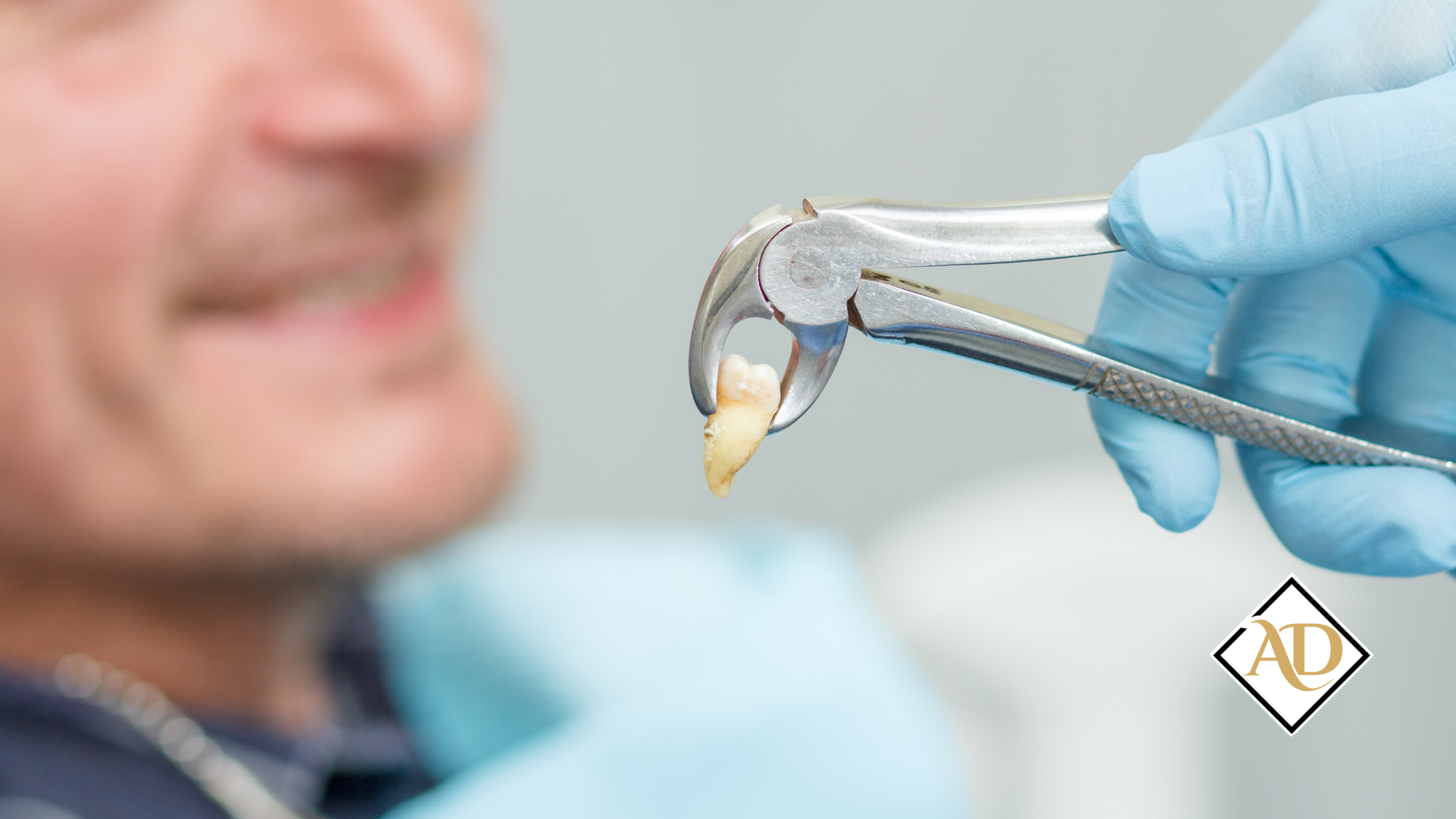
There is no single type of oral surgery; each procedure is tailored to the condition being treated. Below are some of the most common forms of oral surgery performed today:
- Tooth Extractions: This includes the removal of decayed, damaged, or impacted teeth. Wisdom teeth extractions are especially common when the third molars fail to erupt properly or cause crowding.
- Dental Implants: When teeth are lost due to decay, trauma, or disease, dental implants provide a long-term solution. Oral surgery involves placing a titanium post into the jawbone to support a replacement tooth.
- Bone Grafting: Before placing dental implants, some patients may need bone grafting to restore the jawbone’s strength and density. This helps ensure a stable foundation for the implant.
- Jaw Surgery (Orthognathic Surgery): This corrects issues with the jaw structure that affect chewing, breathing, or facial symmetry. It is often used for patients with significant bite problems or jaw misalignment.
- Periodontal Surgery: For patients with advanced gum disease, surgical treatment may be required to remove infected tissue and restore gum health. This can also include flap surgery or grafts.
- Soft Tissue Surgery: Procedures such as frenectomies (removal of tissue bands under the tongue or lips) and biopsy of oral lesions fall under this category. These surgeries are often minor but crucial for health and comfort.
- Treatment of Oral Pathology: Oral surgeons may diagnose and treat cysts, tumors, and other abnormalities found in the mouth or jaw. Timely detection and removal are essential in managing oral pathology.
At Alora Dental in Toronto, we take the time to explain each procedure so our patients know exactly what to expect before, during, and after surgery.
What to Expect During and After Oral Surgery
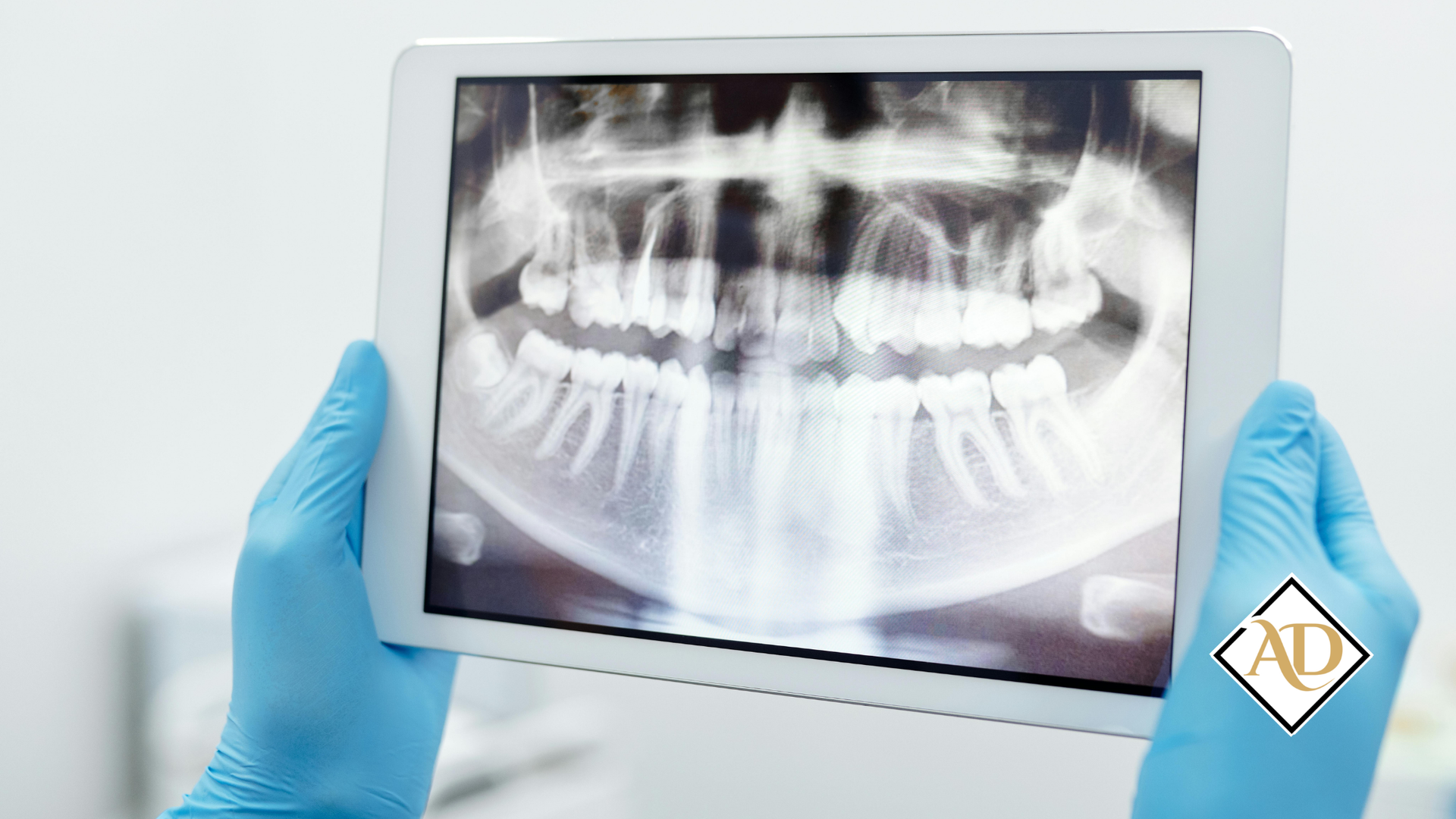
Each oral surgery experience is unique, but most procedures follow a clear and supportive process. Before surgery, you will meet with our dentist for a detailed consultation. This includes imaging, like X-rays or scans, to evaluate the treatment area and a discussion about which type of sedation will be used. You will also receive personalized aftercare instructions to help you feel confident about recovery.
During the surgery itself, the focus is on comfort and precision. Sedation or local anesthesia ensures a pain-free experience. Our team closely monitors your well-being throughout the procedure and manages any discomfort or bleeding with great care.
After the surgery, it is normal to experience some swelling or mild soreness. Most patients are given medications to manage this and return home the same day. Healing times vary, but our dentist will guide you through each phase with follow-up visits and support. What recovery usually involves:
- Soft or cold foods for the first few days
- Routine care for the surgical site (as instructed)
- Avoiding strenuous activity until cleared
- Returning for follow-up care or suture removal
While some patients feel ready to resume activities within a day or two, others may need more time depending on the type of surgery performed.
Benefits of Oral Surgery

Oral surgery is often the key to relieving persistent pain, restoring full function, and protecting long-term oral health. Many patients who undergo these procedures enjoy not only better physical comfort but also a significant improvement in daily confidence and quality of life. Why oral surgery can be life-changing:
- Relief from infections or chronic pain
- Easier chewing and clearer speech
- Restoration of missing teeth with natural function
- Enhanced facial balance and jaw alignment
- Prevention of worsening dental or bone issues
Perhaps most importantly, oral surgery can help you regain trust in your smile. The outcome is not just cosmetic; it is about feeling at ease again when speaking, eating, and smiling without discomfort.
Empowering Your Oral Health Journey

Oral surgery may sound daunting, but with the right care, it can be a comfortable, positive experience. Whether you need a simple extraction or a more advanced procedure like dental implants or jaw correction, understanding what is involved can help reduce fear and build trust in the process.
At Alora Dental in Toronto, we are committed to providing expert, compassionate care from consultation to recovery. Our goal is not only to treat the condition but to support your overall well-being with personalized attention and clear communication every step of the way.
If you think oral surgery might be in your future, let us guide you through it with confidence and care. Your smile deserves nothing less.
Share
Recent Post