

Deep Cleaning for Gum Disease: What You Need to Know

Source: Dr. Marketing
Your gums may look healthy at first glance, but what happens beneath the gumline can tell a different story. Bacteria can accumulate in spaces between the teeth and gums, triggering inflammation that gradually damages the tissues supporting your teeth. You might notice bleeding while brushing, persistent bad breath, or tenderness along the gumline. In some cases, periodontal disease progresses without noticeable discomfort.
When bacterial deposits extend beneath the gums, regular brushing and routine dental cleanings may no longer be enough to address the problem. This is where
scaling and root planing, commonly called deep cleaning, becomes an important part of periodontal treatment.
At
Alora Dental in Toronto, we help patients understand their gum health and explore non-surgical treatments designed to manage periodontal disease and protect their natural teeth.
Why Does Gum Disease Develop Below the Gumline?
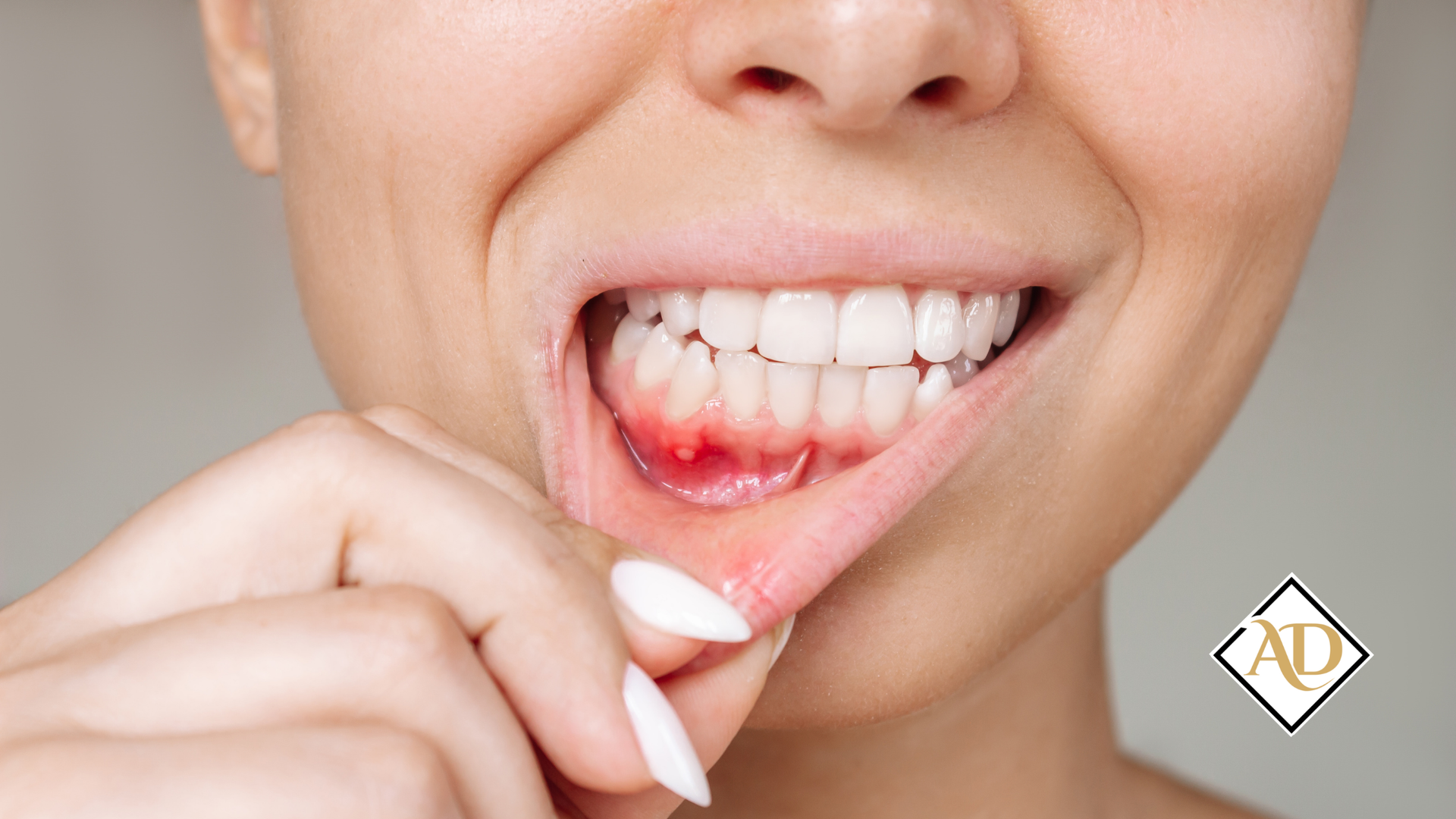
Your mouth naturally contains bacteria, many of which are harmless. However, when dental plaque accumulates around the teeth, certain bacteria can trigger inflammation in the surrounding gums. In the early stages, this inflammation is called gingivitis. The gums may appear swollen or bleed during brushing, but the supporting bone remains unaffected.
Without appropriate care, inflammation can progress to
periodontitis, a more serious condition that damages the tissues and bone holding teeth in place. As these supporting structures deteriorate, deeper spaces called periodontal pockets may form between the teeth and gums.
These pockets provide an environment where plaque and tartar can accumulate beyond the reach of everyday brushing and flossing. Over time, untreated periodontitis may contribute to gum recession, loose teeth, and eventual tooth loss. Unlike gingivitis, periodontitis involves damage that cannot always be reversed. However, appropriate treatment can help control inflammation and reduce further progression.
What Makes Scaling and Root Planing Different From Regular Cleaning?
A routine dental cleaning primarily focuses on removing plaque and tartar from accessible tooth surfaces to help prevent oral health problems. Scaling and root planing is recommended when periodontal disease requires more extensive cleaning beneath the gumline. The treatment involves two closely related procedures.
Scaling: Removing Bacteria and Tartar
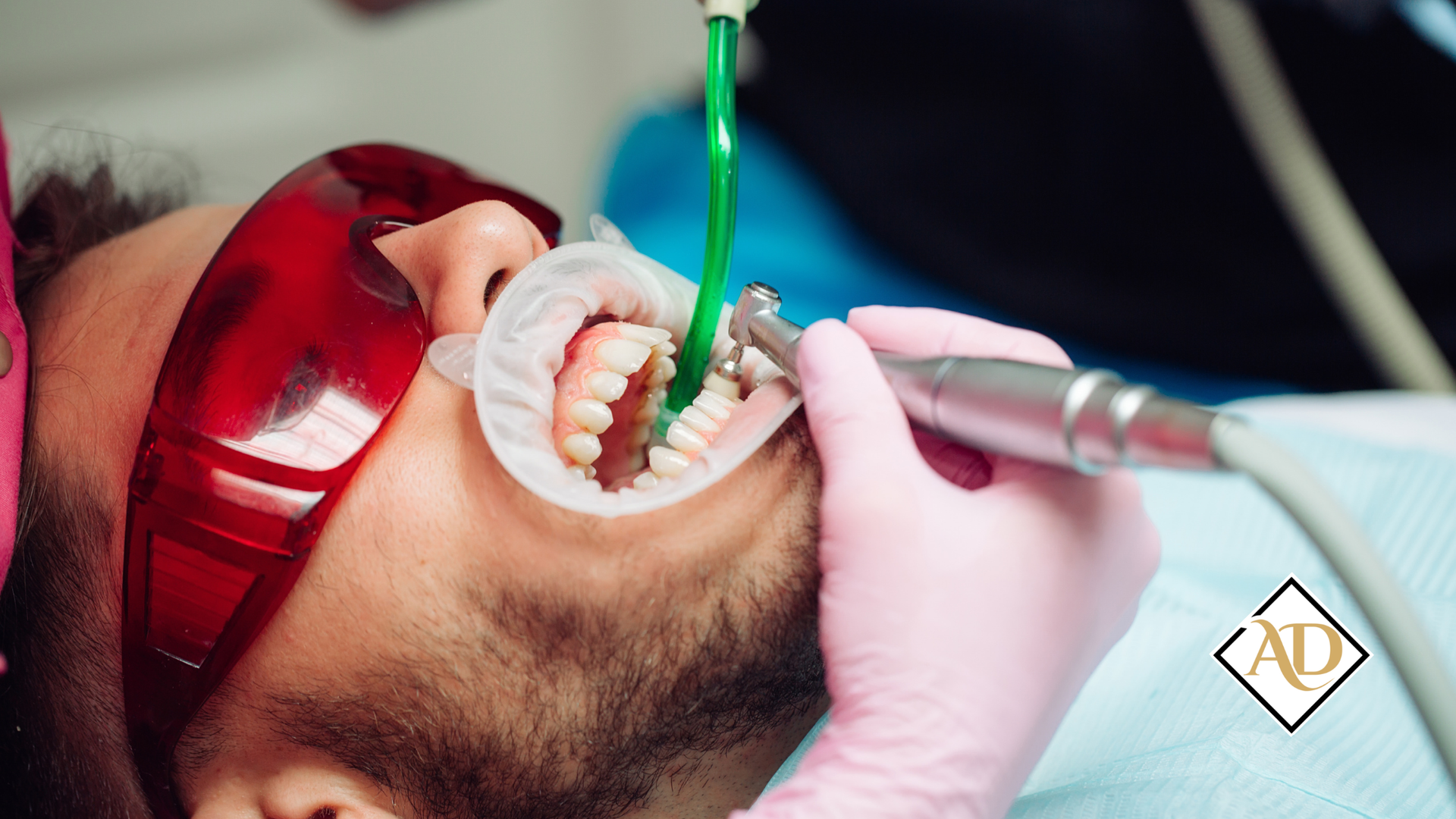
During scaling, dental instruments are used to remove
plaque and hardened tartar from tooth surfaces, including areas within periodontal pockets. Our team may use ultrasonic instruments, hand instruments, or a combination of both.
Ultrasonic instruments use controlled vibrations and water irrigation to help loosen deposits, while hand instruments allow careful cleaning of specific surfaces. Removing these deposits reduces the bacterial burden contributing to gum inflammation.
Root Planing: Cleaning the Tooth Roots
Root planing focuses on cleaning root surfaces beneath the gums. The procedure removes remaining deposits and contaminated surface material where necessary, helping create conditions that support gum tissue healing.
Modern treatment techniques aim to preserve healthy tooth structure while thoroughly removing harmful buildup. Depending on the severity of your periodontal condition, treatment may be completed over one or several appointments. Local anesthesia may be used to help manage discomfort.
How Does Deep Cleaning Help Control Periodontal Disease?
Scaling and root planing addresses one of the main contributors to periodontal disease: bacterial deposits that remain beneath the gumline. By removing plaque and tartar from these difficult-to-reach areas, treatment helps reduce inflammation and allows the surrounding tissues to begin healing.
As the gums respond, patients may notice less bleeding, reduced swelling, and improvements in tenderness. Periodontal pockets may also become shallower as inflammation decreases, making daily cleaning more manageable. However, deep cleaning does not automatically restore bone that has already been lost or permanently eliminate bacteria from the mouth. Periodontitis is a chronic condition that requires ongoing management.
Treatment outcomes depend on several factors, including the severity of existing damage, oral hygiene habits, smoking, certain medical conditions, and attendance at recommended maintenance appointments. For some patients, non-surgical periodontal therapy provides sufficient disease control. Others may require additional treatment if deep pockets or active inflammation remain. At
Alora Dental in Toronto, we focus on helping patients understand their periodontal condition and the steps involved in maintaining healthier gums.
What Happens After Scaling and Root Planing?

It is common to experience temporary gum tenderness or tooth sensitivity following a deep cleaning. Some patients notice sensitivity to cold foods and drinks, particularly in areas where inflammation has decreased and more root surface is exposed.
Our team may recommend gentle brushing, appropriate interdental cleaning, and temporary dietary adjustments while the tissues recover. As healing progresses, the gums may become firmer and less swollen.
A follow-up periodontal assessment is important because improvements are not always visible to patients. During this appointment, our team may measure periodontal pocket depths, check for bleeding, and evaluate how the gums have responded to treatment. These findings help determine whether the disease is being controlled or whether further care is necessary.
Why Is Periodontal Maintenance Necessary After Deep Cleaning?
One misconception about deep cleaning is that once the tartar has been removed, gum disease is permanently resolved. Unfortunately, plaque bacteria can accumulate again, and patients with a history of periodontitis remain susceptible to future disease activity.
Periodontal maintenance appointments help manage this risk.
Depending on your individual condition, our team may recommend visits approximately every three to four months, although the appropriate schedule varies. These appointments allow our team to monitor gum health, remove new deposits, and identify changes before significant damage develops.
Daily home care is equally important.
Brushing twice a day with fluoride toothpaste, cleaning between teeth, and following personalized oral hygiene recommendations help reduce plaque accumulation. Patients who smoke or have conditions such as diabetes may also benefit from addressing these factors as part of their periodontal care. The goal is not simply to complete a deep cleaning, but to maintain the improvements achieved through treatment.
When Should You Consider a Periodontal Evaluation?

Gum disease does not always cause pain, so waiting for significant discomfort may allow the condition to progress. Consider scheduling a periodontal examination if you experience:
• Bleeding during brushing or flossing
• Persistent bad breath
• Swollen or tender gums
• Receding gums or teeth appearing longer
• Changes in your bite or tooth stability
• Discomfort while chewing
These symptoms do not automatically mean you need scaling and root planing. A dental examination, periodontal pocket measurements, and appropriate X-rays can help determine whether gum disease is present and which treatment is suitable.
Protect Your Gums With Non-Surgical Periodontal Care

Healthy gums provide essential support for your natural teeth. When periodontal disease develops beneath the gumline, addressing bacterial deposits early can help limit further damage. Scaling and root planing is an established non-surgical treatment that reduces harmful buildup, supports gum healing, and helps manage periodontal disease.
At
Alora Dental in Toronto, we help patients understand their gum health and explore appropriate periodontal treatment options. If you have noticed bleeding gums, persistent bad breath, or changes in your gumline, schedule a periodontal consultation with our team. We can evaluate your oral health, determine whether deep cleaning is recommended, and help you develop a plan for maintaining healthier gums.
Share
Recent Post